There are 25-year-olds with 100,000 followers explaining how to optimize a life.
Meanwhile, you've spent 20 or 30 years actually living one.
You know your sh*t.
You made mistakes. Solved problems. Built things. Raised kids. Lost money. Made some. Changed careers. Learned trades. Mastered crafts. Survived industries. You got POVs.
School taught us show and tell. Life gave you stuff worth showing and telling.
TEACH WHAT YOU KNOW ONLINEShow us what you know.
You know
(Van) Life
FIND YOUR THING · FREE BUSINESS IDEA BUILDERWhat the hell do I know and what should I do with it?
You probably don't think of it as expertise. That's okay. Answer six questions and we'll help you see what's in there, who wants it, and the best first thing to make.
01I don’t know what I know
02I know what I know
03I know who might want it
04I know how I want to share it
05I have a thing
Question 1 of 6 · I don’t know what I know
What do you know?
Start with what you’ve spent the most time doing. It counts even if it doesn’t feel like expertise.
Stuck? Ask yourself: What do people always ask you about? What did you learn the hard way? What could you explain for an hour without notes?
What kind of knowledge is it?
HOW KNOW + TELL WORKSWe do this backwards. On purpose.
Most creator-economy advice says
Build an audience.↓Figure out what to sell them.
Know + Tell says
Know something useful.↓Find the people who need it.↓Build something for them.
You're not an aspiring influencer. You already have something of value. The audience is out there, looking for it.
WAYS TO SHARE WHAT YOU KNOW: COURSES, COACHING, NEWSLETTERS & MOREIt might be easier than you think to tell what you know.
You could make:
A 20-minute classA weekend workshopA newsletterA YouTube channelA podcastA bookA consulting practiceA communityA paid guideA coaching practiceA collection of tutorialsA membershipA combo. Or something nobody else knows how to do
The format should fit the knowledge, not the other way around.
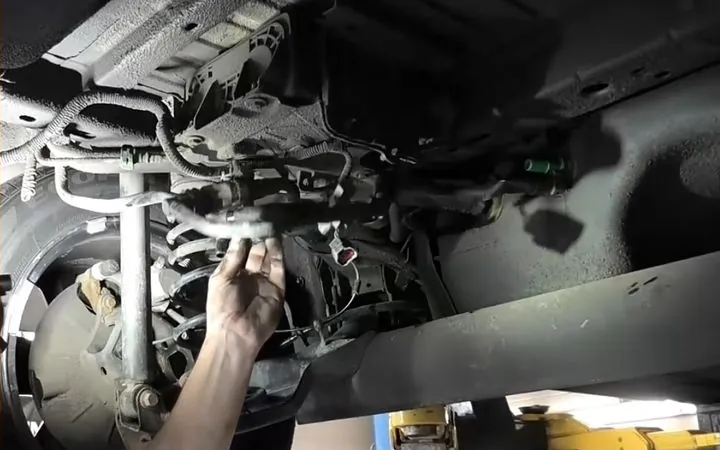
A repair enthusiast who teaches people to diagnose and fix electronics, with practical courses, group troubleshooting and a paid learning community. People pay not just for information, but for help with their own projects.
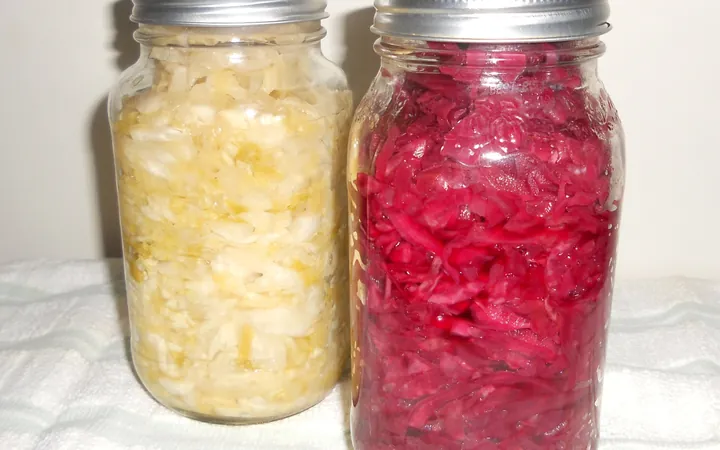
A longtime fermentation enthusiast turned his knowledge of sauerkraut, kimchi, kombucha and other fermented foods into classes, online courses, workshops, a book and community events.
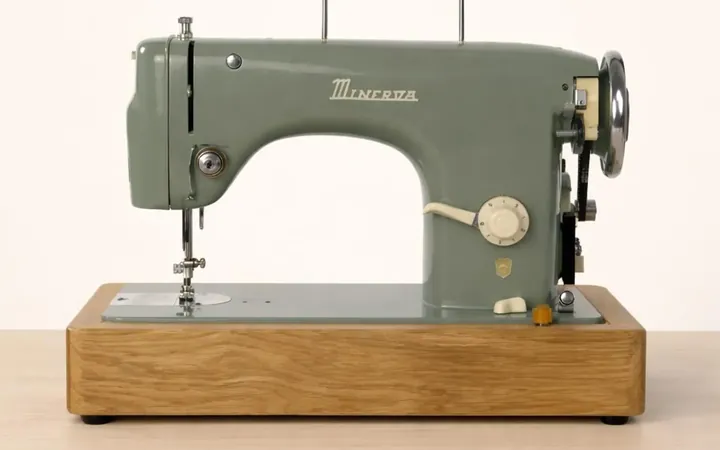
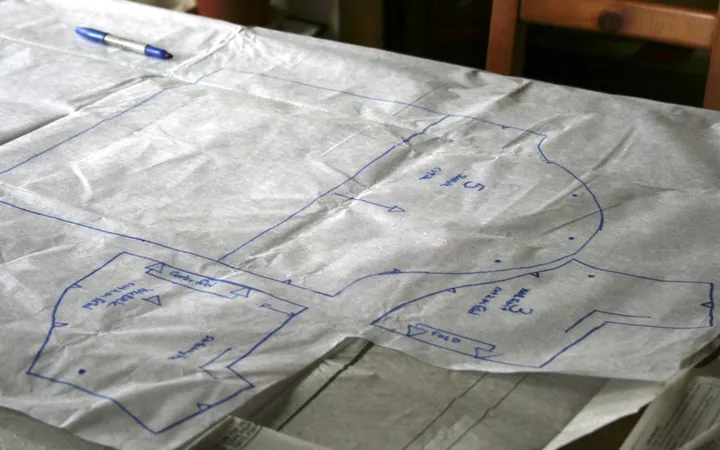
Evelyn teaches people how to sew high-quality garments using vintage techniques. She combines free YouTube instruction with a paid membership, lessons and a community of learners, including older adults who want to improve their skills.
A personal-finance educator who built an independent platform around financial advice that reflects a wider range of people’s lived experiences. Her work includes educational resources and training for educators and nonprofit organizations.
A couple with complementary backgrounds built an online membership teaching authentic Italian regional cooking. It goes beyond recipes to explain techniques, ingredients and the traditions behind the food.
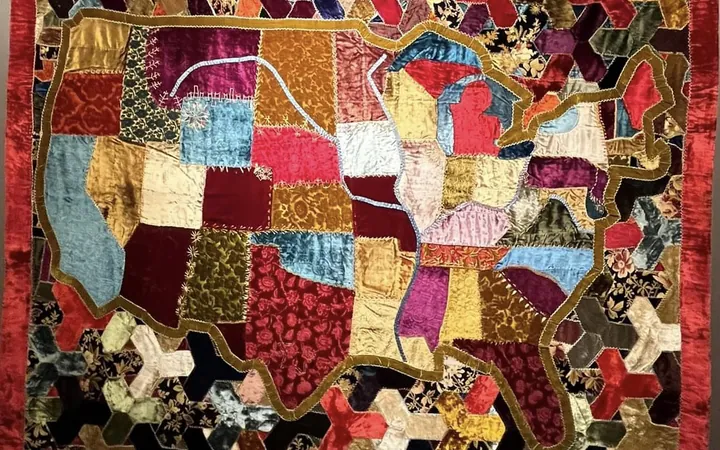
A former school librarian and quilt-pattern designer launched a travel-themed quilting program with just 11 students. She developed it with her first members, then began turning the material into self-guided programs.
A middle-school teacher who started writing online about his professional practice. The blog grew into a business supported by writing, courses and digital products, without his having to leave the classroom to get started.
He began sharing what he was learning about selling on eBay and managing money through livestreams. When viewers asked him to teach them, he created online programs and digital products.
A former registered nurse with a passion for woodworking began sharing projects online. Making things with his children grew into practical tutorials, a learning community and beginner courses.
After decades working as a waitress, she explored online business, learned to create digital products with Canva, and developed educational offers and memberships for women seeking more financial independence.
A quilter, pattern designer and inventor who uses video to teach techniques and connect with other makers. YouTube introduces her work to people who then explore her patterns, tools and classes.
A garden consultant who used online education to grow her practical gardening business, building the skills and systems to expand her client base and turn her knowledge into a more sustainable livelihood.
He worked at Alcoa for 32 years and retired as a plant manager in 2019. He had no intention of starting a YouTube channel and has since made more than 400 videos.
Since retiring from teaching in 2013 he’s built a channel of about 2,000 lectures from education thinkers, with more than 5 million views in 234 countries.
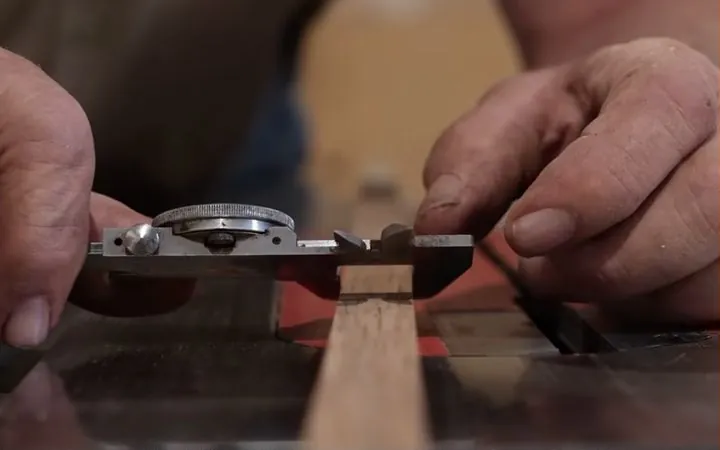
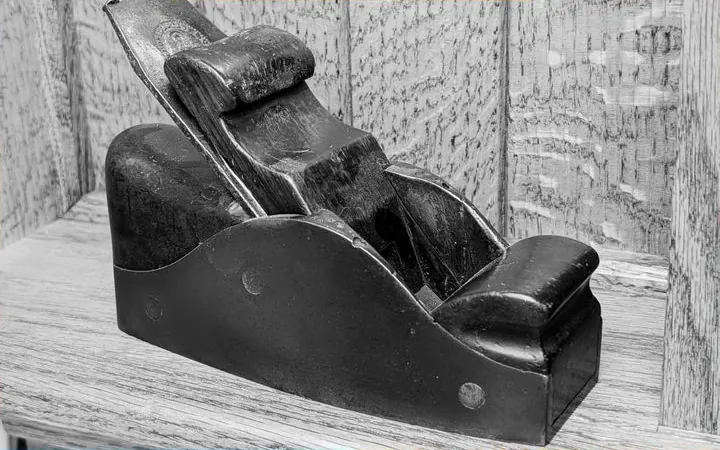
A veteran general contractor and blacksmith who started filming shop lessons with his son. The channel exists to show the knowledge that only comes from experience.
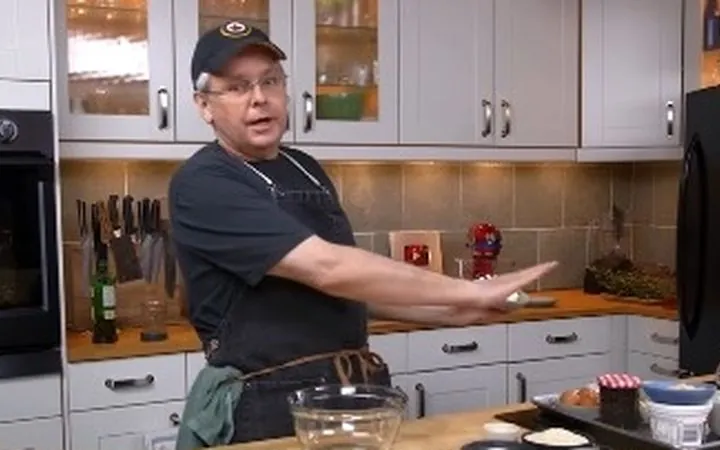
Ran a Fort Lauderdale restaurant for two decades, then a cooking school. Relaunched his YouTube channel in 2020, in his late sixties, with recipes and a store of his own tools.
Left a career in international development to film Italian grandmothers making pasta by hand. The channel became award-winning cookbooks and a podcast.
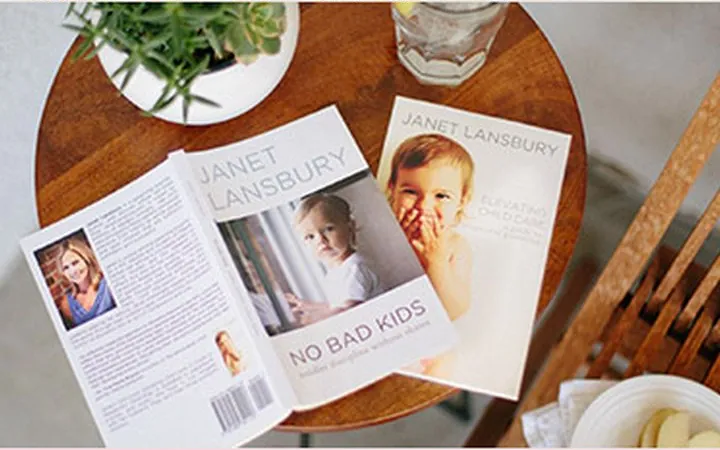
His father left when he was 14, so he started filming the basics a dad would teach, like tying a tie or changing a tire. The channel drew millions of subscribers and became a book.
Started a quilt shop for retirement money during the recession. Her son suggested YouTube tutorials; they turned a small Missouri town into a quilting destination.
AI can help you organize what you know. Turn a conversation into a course outline. Turn a workshop into a book. Turn an hour of talking into ten pieces of content. What it can't replace is the thing you bring to the table: your experience.
MODERN TOOLS FOR TELLING: HOW TO CHOOSE A COURSE, COACHING OR NEWSLETTER PLATFORMSix kinds of tools. Here's what each one does for you.
You don't need all of them, and you don't need them all at once. Most people start with one or two. Here's what each kind does, when it's the right place to start, and where it usually fits in the order.
Helps you get what’s in your head onto the page: outlines, lesson plans, names, first drafts, emails and descriptions. It does the busywork so you can do the knowing.
Start here if
Almost everyone. It’s the quickest way to turn a jumble of experience into a plan, and it makes every other step faster.
Try this first
Ask Claude to interview you about your work for 20 minutes, then turn your answers into a lesson plan. Or ask it to brainstorm 20 names for your business.
Records and edits video and podcasts from your kitchen, garage or van, without a studio. Some let you edit a recording as easily as editing a document.
Start here if
You explain best by showing how it’s done or by talking it through.
Try this first
Record yourself doing one task you know cold. Five minutes, one take, no script.
A private online space where members ask questions, share progress and learn from each other, not just from you.
Start here if
You already have a group (a club, a class, regulars) or your topic is better together, like crafts, hobbies or big life changes. Otherwise, add it after a course so students keep going.
Try this first
Invite 20 people who already ask you questions into a free space for one month.
There are 25-year-olds with 100,000 followers explaining how to optimize a life.
Meanwhile, you've spent 20 or 30 years actually living one.
You know your sh*t.
You made mistakes. Solved problems. Built things. Raised kids. Lost money. Made some. Changed careers. Learned trades. Mastered crafts. Survived industries. You got POVs.
School taught us show and tell. Life gave you stuff worth showing and telling.
TEACH WHAT YOU KNOW ONLINEShow us what you know.
{{tell.lead}}
{{tell.line}}
FIND YOUR THING · FREE BUSINESS IDEA BUILDERWhat the hell do I know and what should I do with it?
You probably don't think of it as expertise. That's okay. Answer six questions and we'll help you see what's in there, who wants it, and the best first thing to make.
{{j.n}}{{j.t}}
Question {{stepNum}} of 6 · {{qHint}}
{{qTitle}}
{{qSub}}
Stuck? Ask yourself: What do people always ask you about? What did you learn the hard way? What could you explain for an hour without notes?
AI can help you organize what you know. Turn a conversation into a course outline. Turn a workshop into a book. Turn an hour of talking into ten pieces of content. What it can't replace is the thing you bring to the table: your experience.
MODERN TOOLS FOR TELLING: HOW TO CHOOSE A COURSE, COACHING OR NEWSLETTER PLATFORMSix kinds of tools. Here's what each one does for you.
You don't need all of them, and you don't need them all at once. Most people start with one or two. Here's what each kind does, when it's the right place to start, and where it usually fits in the order.