
THE COMPLETE GUIDE
From Know to Tell.How to turn what you know into something you share, teach or sell
The whole journey, one step at a time: from “I might know something worth sharing” to sharing it, and maybe getting paid for it. Using modern tools like AI.
Let’s start with the thought that brought you here. Maybe it was a friend saying “you should teach this.” Maybe it’s the third time this month someone called you for advice. Maybe it’s just a quiet feeling that thirty years of doing something should add up to more than a retirement card.
That feeling is right. You know more than you think. This guide is the long version of how to get from that feeling to something real: a class, a newsletter, a channel, a book, a coaching practice, or a small business that fits your life.
It’s written to be read the way you’d learn from a friend who’s done it. No jargon, no hustle, no pretending you need to become a full-time “content creator.” Each step tells you where you probably are, what to do next, and how you’ll know you’re ready to move on.
HOW TO USE THIS GUIDE
Read it straight through once to see the whole road. Then come back and take one step at a time. A step a week is a good pace; some people do the first three in a weekend.
Every step has a short checklist, a ready-made prompt you can paste into Claude (the AI assistant we use most that’s very good at helping you think out loud, though there are others as well), and an example from the Know + Tell Library of someone who’s been there.
If you’d rather get a quick, personalized plan first, the Know + Tell Business Builder takes about five minutes. This guide is the deep version of the same journey.
Notice what you know
Here’s the trap almost everyone falls into: the things you know best feel obvious to you. You’ve done them so many times that you can’t remember not knowing them. So you assume everyone knows them. Trust us, they don’t. YOU KNOW MORE THAN YOU THINK.
The first step isn’t choosing a business. It’s taking inventory. Think of it as cleaning out the garage of your experience: you’re just getting everything out on the driveway where you can see it. Where the little treasures hidden in the clutter are on full display. Specificity is key.
Make three lists, and don’t edit as you go. First, the questions people ask you, from friends, family, coworkers, neighbors, strangers at the hardware store. Second, the things you’ve done hundreds of times: processes, repairs, recipes, conversations, decisions. Third, the topics you could talk about for an hour without notes, the ones where people’s eyes either glaze over or light up.
Include the strange stuff. A lifetime of fixing old radios counts. So does getting a family through a hard diagnosis, building a business and selling it, raising chickens, managing a difficult boss, or knowing every back road in your county. Expertise isn’t only what you were paid for. Expertise is what people PAID ATTENTION TO YOU FOR.
GO DEEPERHow to use AI to turn your experience into a course
Do this
Ask Claude
I want to figure out what knowledge I have that might be worth sharing. Please interview me, one question at a time, about my work history, hobbies, life experiences and the things people ask me for help with. Ask follow-up questions when something sounds interesting. After about 15 questions, give me a list of 10 topics where I seem to have real, specific expertise, and for each one say who might want to learn it.
Paste the prompt into Claude and fill in the [brackets] with your own details.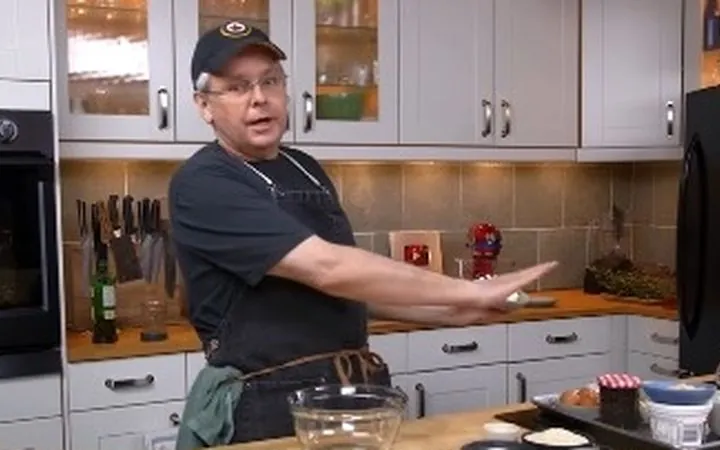
Glen cooks recipes from old community cookbooks. That’s a niche most people would never think to call “expertise,” and it’s exactly why people watch.
You’re ready for the next step when you have a messy list of 10 or more things you know, and two or three of them make you lean forward a little.
Next: Pick one thing (for now) →Pick one thing (for now)
You’re not choosing forever. You’re choosing what to try first. The fastest way to stall is to start with “I’ll teach everything I know about business.” The fastest way to start is to pick a corner small enough to own. Again, specificity is key. “Music” is awful big. Kentucky banjo for beginners is better.
Use three filters. First, energy: which topic would you still enjoy talking about on a Tuesday when you’re tired? Second, proof: where have you actually gotten results, for yourself or someone else? Third, demand: which one do people already ask you about without being prompted?
Then make it specific. “Gardening” is a whole section in a library. “Growing vegetables in heavy clay soil without a tiller” is a book someone seeks out on a shelf. “Leadership” is a whole shelf; “how to handle your first year as a new manager of former peers” is a lifeline to someone in a situation. The narrower the corner, the easier it is for the right person to recognize themselves in it. And find you.
A good test: can you finish the sentence “I help ___ do ___ without ___”? “I help new homeowners fix the ten most common plumbing problems without calling a plumber.” If you can say it in one breath, you’ve picked well.
GO DEEPERHow to monetize your expertise · Turn your hobby into a business, without losing the fun
Do this
Ask Claude
Here are three topics I could teach or share: [topic 1], [topic 2], [topic 3]. Some background on me: [a few sentences about your experience]. For each topic, help me narrow it to a specific niche that a particular kind of person would pay attention to. Then write five versions of the sentence “I help ___ do ___ without ___” for the most promising one, and tell me which you think is strongest and why.
Paste the prompt into Claude and fill in the [brackets] with your own details.
Not “knitting” in general: clear video tutorials for knitters, paired with patterns. A specific promise to a specific person.
You’re ready for the next step when you can say what you help with, and who you help, in one breath, and it doesn’t make you cringe.
Next: Find your people →Find your people
Before you make anything, talk to the people you want to help. This is the step most people skip, and it’s the one that saves you the most time. You’re not selling yet. You’re listening.
Start close to home. Who has asked you about this before? Who’s a year or two behind where you are? Former coworkers, friends of friends, members of a club or congregation, people in online groups and forums about your topic. Make a list of 20 names or places. Maybe even imagine a single, real person who you’re speaking to.
Then have five real conversations. Not a survey, not a pitch: a coffee or a 20-minute call. Ask what they’re struggling with, what they’ve already tried, what they wish someone would just explain, and where they go for help now. Write down their exact words. Those words become your headlines later.
Pay attention to where your people already gather: a Facebook group, a subreddit, a local club, a trade association, a YouTube comment section, a garden center bulletin board. That’s where you’ll share your first thing.
GO DEEPERStart a second career after 50 with what you already know
Do this
Ask Claude
I want to help [who] with [your topic]. Help me prepare for five short conversations with people like this. Give me 8 open-ended questions that will uncover their real problems without sounding like a sales pitch. Then list 10 places, online and offline, where people like this tend to gather and ask questions.
Paste the prompt into Claude and fill in the [brackets] with your own details.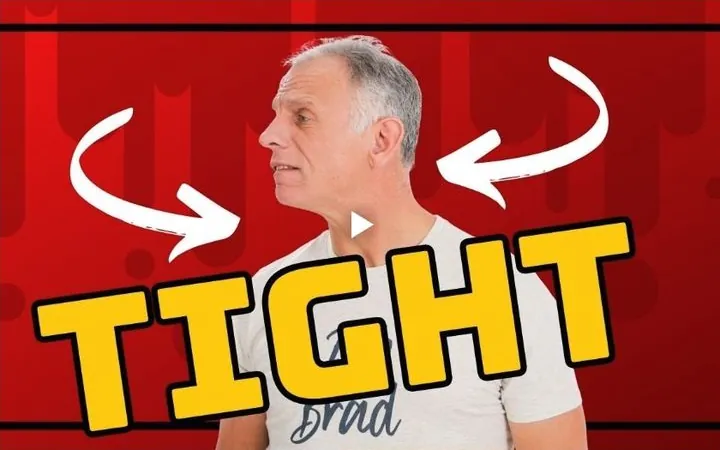
Two physical therapists who explain aches and fixes in plain language. They speak to people in pain the way those people actually talk about it.
You’re ready for the next step when you’ve talked to at least five people, you’ve heard the same problem more than once, and you know where your people hang out.
Next: Choose how you’ll tell it →Choose how you’ll tell it
Here’s the secret: don’t pick the format that seems most impressive. Pick the one that matches how you already explain things. When someone asks you a question, what do you do?
If you grab a pen or open an email, you’re a writer: start with a newsletter, a guide or a blog. If you talk it through and tell stories, you’re a talker: start with a podcast, audio lessons or coaching calls. If you say “here, let me show you,” you’re a shower: start with video. If you light up in a room of people, you’re a teacher: start with live workshops or classes.
Then think about your week. Video takes more time per piece but builds trust fast. Writing is the easiest to fit around life. Live teaching gets you paid soonest and teaches you the most about your audience. Coaching earns the most per hour but has a ceiling—you can only tell a few folks at a time. So you’re really imagining how you most enjoy communicating with people, sharing your ideas. If you don’t know, you may have to try a few ways and see.
You can always add formats later. Most of the people in our Library started with one and grew into three or four. The Know + Tell Business Builder asks exactly these questions and suggests a starting format if you want a second opinion.
GO DEEPERHow to start a newsletter about what you know · How to start a YouTube channel teaching what you know · How to run your first paid workshop
Do this
Ask Claude
I’m going to share what I know about [your topic] with [who]. I naturally explain things by [writing / talking / showing / teaching live], and I can give this about [hours] a week. Compare the best starting formats for me (newsletter, video, podcast, live workshop, coaching, short guide), with the honest pros and cons of each for my situation, and recommend one to start with.
Paste the prompt into Claude and fill in the [brackets] with your own details.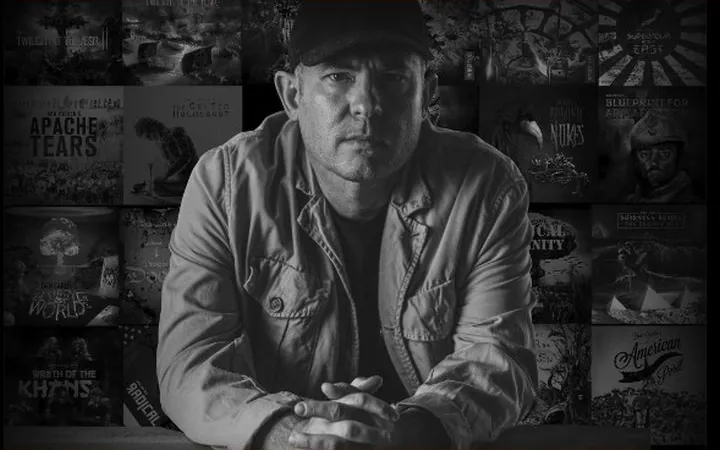
Dan Carlin is a talker: long, deeply researched stories told out loud. The format fits the person, not the other way around.
You’re ready for the next step when you’ve picked one format that feels natural, and you know roughly how much time you can give it.
Next: Make your first small thing →Make your first small thing
Make it small. Smaller than you think. Your first thing is not your masterpiece; it’s your first rep. The goal is to finish something real in the next 30 days and put it in front of people. Here’s the thing: people like people. Let yourself shine through. The Know + Tell library has plenty of examples of folks who started with low production values and worked their way up. So don’t let perfect be the enemy of your great idea. Get started. Learn. Grow.
Good first things look like this: one 60–90 minute workshop, four weekly emails, three short videos on one technique, a 10-page guide, three free coaching sessions, or a single podcast episode interviewing someone you admire. Each one is finishable, and each one teaches you something.
Outline before you make. Write down the one problem it solves, the three to five points that solve it, and the one thing you want people to do afterward. That’s the skeleton of every class, video, chapter and episode you’ll ever make.
Then make it with what you have. A phone on a stack of books is a studio. A kitchen table is a classroom. Tools like Descript make editing video or audio as easy as editing a document, and Riverside records clean interviews and podcasts from anywhere. Done and a little rough beats perfect and imaginary, every time.
GO DEEPERHow to run your first paid workshop · How to use AI to turn your experience into a course
Do this
Ask Claude
Help me create my first [workshop / email series / video / guide] about [your topic] for [who]. The main problem it solves is [problem]. First, give me a simple outline with 3–5 key points and a clear next step for the audience. Then write a draft [script / email / lesson plan] in a warm, plain-spoken voice. Mark the spots where I should add my own stories and examples.
Paste the prompt into Claude and fill in the [brackets] with your own details.
Rob Kenney started by filming the simple things a dad would teach, like tying a tie. Small, specific, useful, and it found millions of viewers.
You’re ready for the next step when you’ve finished one real thing. It’s not perfect, and that’s fine.
Next: Set up only the tools you need →Set up only the tools you need
You need three things to start, and you might already have them. A way for people to find and follow you. A way to deliver what you made. And, when you’re ready, a way to get paid. The last part’s optional, really. That’s it.
Start with email. Of every tool, it’s the one you’ll be gladdest you started early, because the people on it are yours: no algorithm decides who sees what you send. A free newsletter on beehiiv takes an afternoon to set up, and it can grow with you into paid subscriptions later.
Then match a tool to your format. Video and audio: Descript for editing, Riverside for recording interviews. Live workshops and coaching: Zoom to teach and Calendly to book time and collect payment. Selling a guide, coaching or a workshop without a website: Stan Store or Podia. A course and a community in one place: Skool, or Teachable for a polished standalone course. Bigger communities later: Mighty Networks or Circle. Our beginner stack lists one pick for each job. (Know + Tell is free. Some tool links pay us a commission; here’s how we choose.)
And use an AI assistant like Claude as your behind-the-scenes partner for outlines, drafts, emails, descriptions and the hundred small writing tasks that used to stop people cold. It doesn’t replace what you know. It helps you get it out of your head faster. Our guide to the six kinds of tools explains which to start with and why.
GO DEEPERHow to start a newsletter about what you know · How to sell your knowledge online · Set up a storefront in an afternoon · Podia vs Stan Store vs Skool
Do this
Ask Claude
I’m sharing [your topic] with [who] through [your format]. I’m not technical and I want the simplest possible setup. Recommend the minimum set of tools I need to start (no more than four), explain what each one does in plain language, and give me a step-by-step checklist to set them up in one weekend.
Paste the prompt into Claude and fill in the [brackets] with your own details.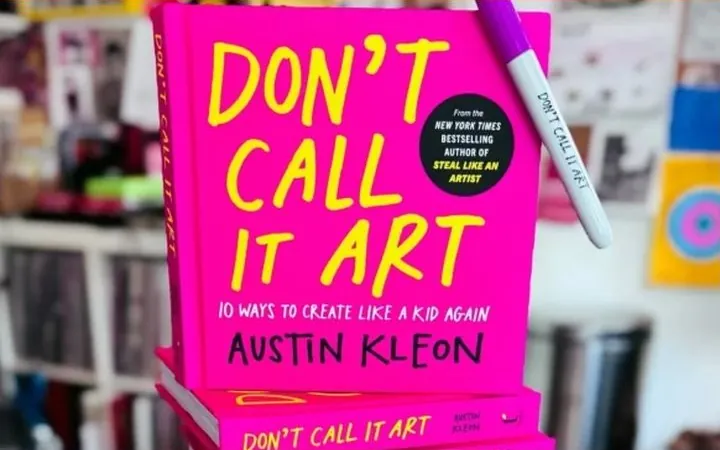
A weekly email of ten things he found interesting, alongside a blog and small books about creative work. Simple tools, used consistently.
You’re ready for the next step when people can sign up to hear from you, and you have one way to deliver what you make.
Next: Share it and listen →Share it and listen
This is the scary step, so let’s make it smaller. You’re not launching to the world. You’re sharing with the 20 people and places from Step 3. Personally, one at a time, the way you’d tell a friend about something you made.
Lead with them, not you. “A lot of you have asked me about ___, so I put together ___. It’s free, and I’d love your honest take.” Post it where your people gather, send it to the people you interviewed, and ask everyone to sign up for your email if they want more.
Then listen hard. Ask three questions afterward: What was most useful? What was confusing? What do you wish I’d covered? Notice what people ask follow-up questions about. Notice what they share with others. That’s your audience telling you what to make next.
Expect quiet. Most first things get a small response, and that’s normal. Five engaged people who reply are worth more than five hundred who scroll past. You’re building trust one person at a time, and trust compounds.
GO DEEPERHow to start a newsletter about what you know
Do this
Ask Claude
Paste the prompt into Claude and fill in the [brackets] with your own details.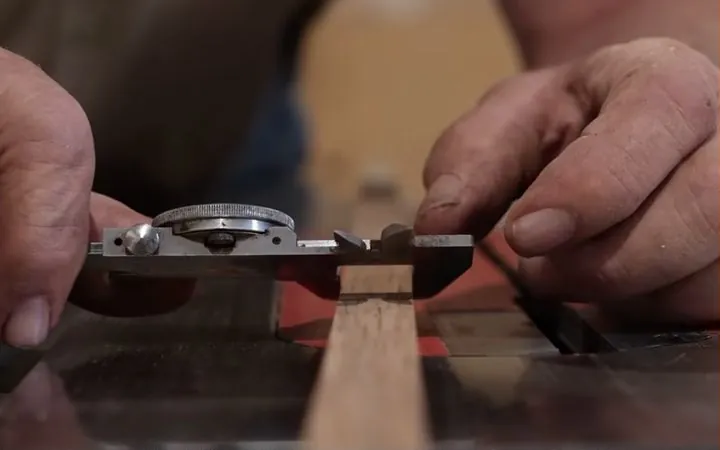
A veteran contractor who started filming shop lessons with his son. No launch plan, just real knowledge, shared and improved video by video.
You’re ready for the next step when real people have seen your thing, some told you what they thought, and you have a list of what they want next.
Next: Decide how it earns →Decide how it earns
First, permission: it’s fine to charge for what you know. People pay for shortcuts, for clarity and for someone who’s been there. Charging also makes people take it more seriously, including you. You could do this for free, but you’re worth more than that. You could also donate proceeds to your favorite charity. Now that’s a great idea, too.
Second, a structure that works for almost everyone: keep sharing useful things for free, and offer something deeper for people who want more. Free teaching builds trust; paid offers serve the people ready to go further. You don’t have to choose between generous and paid.
Think of it as a ladder. The first rung is free: emails, videos, posts. The next rung is small and paid: a workshop, a guide, a set of patterns, a single coaching session. Higher rungs are bigger commitments: a full course, a membership, a coaching package, a done-with-you program. Most people start with one free rung and one small paid rung.
To set a price, look at what similar offers cost, consider the value of the problem you solve, and start a little lower than you think you’re worth with a plan to raise it. Then sell your first paid thing to the people who already engaged with your free one. If you want to recommend tools you use, affiliate programs can add income too, as long as you tell people plainly.
GO DEEPERHow to monetize your expertise · How to sell your knowledge online
Do this
Ask Claude
I share free [format] about [your topic] with [who], and people are engaging. Help me design a simple “value ladder”: one free offer, one small paid offer and one bigger paid offer for later. For the small paid offer, suggest three ways to package it, a reasonable starting price range with your reasoning, and a short, honest description I could use to sell it.
Paste the prompt into Claude and fill in the [brackets] with your own details.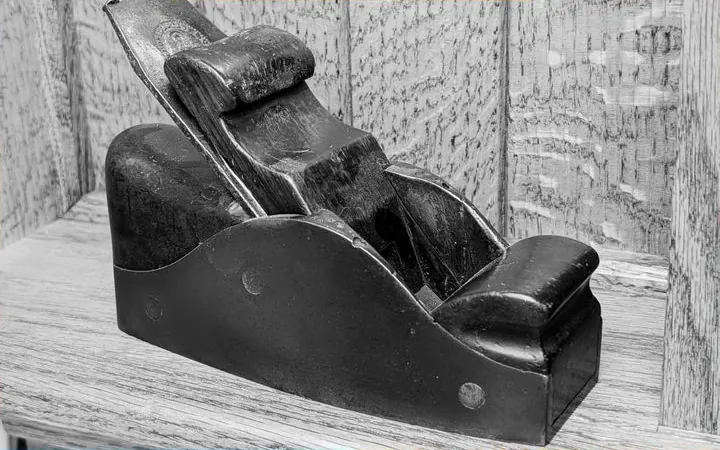
Free hand-tool woodworking videos built trust for years; a paid masterclass membership grew out of it. Generous first, paid for those who want more.
You’re ready for the next step when you have one free thing you’ll keep doing, one paid offer and a price, and at least one person has said yes.
Next: Make it a real business (lightly) →Make it a real business (lightly)
You don’t need to become a corporation overnight, but a few basics protect you and make life simpler. Think of this as putting a sturdy fence around what you’ve built.
Keep the money separate: open a separate bank account for your business income and expenses, even if it’s just you. Track what comes in and goes out from the start; a simple spreadsheet or bookkeeping app is plenty. Set aside part of every payment for taxes.
Talk to a professional about structure and taxes. Whether you need an LLC, how self-employment taxes work, and how income could affect things like Social Security or a pension all depend on your situation and where you live. An hour with an accountant early is much cheaper than fixing mistakes later.
A few more basics: choose a name you can use (check that the domain and social handles are free, and consider a trademark search), add a simple privacy policy if you collect emails, use a short written agreement for coaching or consulting clients, and if you recommend products through affiliate links, say so clearly. None of this is glamorous, and all of it lets you relax and focus on the work.
GO DEEPERConsulting after retirement, on your own terms
Do this
Ask Claude
I’m starting a small business sharing [your topic] through [your format and paid offer], from [your state or country]. I’m not asking for legal or tax advice. Make me a plain-language checklist of the business basics to ask an accountant and attorney about, a list of questions to bring to that first meeting, and a simple monthly routine for tracking income and expenses.
Paste the prompt into Claude and fill in the [brackets] with your own details.
A quilt shop started for retirement money. YouTube tutorials followed, and they turned a small Missouri town into a quilting destination.
You’re ready for the next step when your money is separate, you know your tax setup, and your basic paperwork is in place.
Next: Keep going, and grow at your pace →Keep going, and grow at your pace
The people in our Library didn’t get there with a viral moment. They got there by showing up on a steady rhythm for a long time. Pick a pace you can keep for a year, like one email a week or two videos a month, and protect it.
Once a month, look back. What did people respond to most? What did they ask about? What did you enjoy making? Do more of the overlap and quietly drop the rest. Your audience will tell you what to build next; your job is to listen and to choose what you’ll say yes to.
Grow by going deeper before going wider. Add the next rung of your ladder when people ask for it: a course built from your most popular workshop, a community for your most engaged readers, a book from your best newsletters. Each new thing should be built from something that’s already working.
And remember why you started. You know things that took decades to learn. Passing them on is useful, and it’s also a way to stay curious, connected and a little bit famous among the people who matter to you. Enjoy that.
GO DEEPERHow to teach what you know online
Do this
Ask Claude
I’ve been sharing [your topic] with [who] for [time] through [formats]. Here’s what’s worked so far: [results and feedback]. Help me plan the next six months: a sustainable weekly rhythm, one new offer to build based on what people are asking for, and three ways to reach more of the right people without burning out.
Paste the prompt into Claude and fill in the [brackets] with your own details.
After decades in restaurants and a cooking school, he relaunched his YouTube channel in his late sixties, and kept showing up.
You’re ready for the next step when you have a rhythm you can keep, a monthly habit of looking back, and a clear next thing to build when people ask for it.
Finish →You know more than you think.
That’s the whole road. Ten steps, none of them complicated, all of them doable from where you are right now. The only step that really matters today is the first one: getting what you know out on the driveway where you can see it.
If you want a head start, the Business Builder turns your answers into a personalized first plan in about five minutes. Browse the Library when you need proof that people like you are doing this. And when you’re ready for your corner of the world, the guides for a second career after 50, consulting after retirement and teaching your craft go deeper.
QUESTIONS PEOPLE ASK
Questions people ask.
How long does it take to go from idea to a small business?
It varies, but many people make and share a first small thing within a month or two, and earn their first income within a few months. Growing into a steady business usually takes a year or more of consistent work.
Do I need a website to start?
No. An email newsletter and one tool for your format are enough to start. A website helps later, once you know what you’re offering.
What if someone else already teaches my topic?
That’s a good sign: it means people want it. Your experience, your examples and your way of explaining are what make your version different.
Can I use AI to help without losing my own voice?
Yes. Use an AI assistant like Claude for outlines, first drafts and busywork, then add your own stories, examples and judgment. The knowledge stays yours.
Do I need to be on social media?
Not necessarily. Many people build an audience through email, YouTube, local classes or word of mouth. Go where your people already are.