
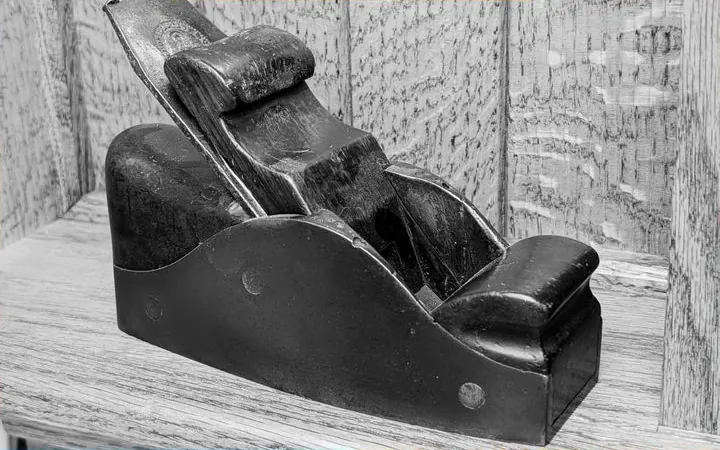
Woodworking · YouTube & membership
Paul Sellers
Paul Sellers
A lifelong hand-tool woodworker who taught through free videos first. The free teaching built trust, and a paid masterclass membership grew out of it.
paulsellers.com ↗TEACH WOODWORKING ONLINE
Hand-tool and shop knowledge is in demand. The lesson from the best teachers: film real work, not a polished production.
THE SHORT ANSWER
Teach woodworking online by filming real projects in your own shop, one technique at a time. Start with free videos to build an audience, sell plans for the projects you film, then add a beginner course, a membership or weekend classes once people ask for more.
WHAT PEOPLE PAY FOR
| Format | What it looks like | Why it works |
|---|---|---|
| Free project videos | YouTube builds and technique demos | Builds the audience everything else sells to |
| Plans and cut lists | PDF downloads for the projects you film | The easiest first product |
| A beginner course | Recorded lessons from sharpening to first box | One-time sales |
| A membership | New lessons every month, a members’ forum | Steady monthly income |
| Weekend classes | Four to six people in your shop | High value, very local |
| Tools, kits or jigs | Things you make or recommend | Product sales and affiliate income |
LIBRARY SPOTLIGHT
A lifelong hand-tool woodworker who taught through free videos first. The free teaching built trust, and a paid masterclass membership grew out of it.
paulsellers.com ↗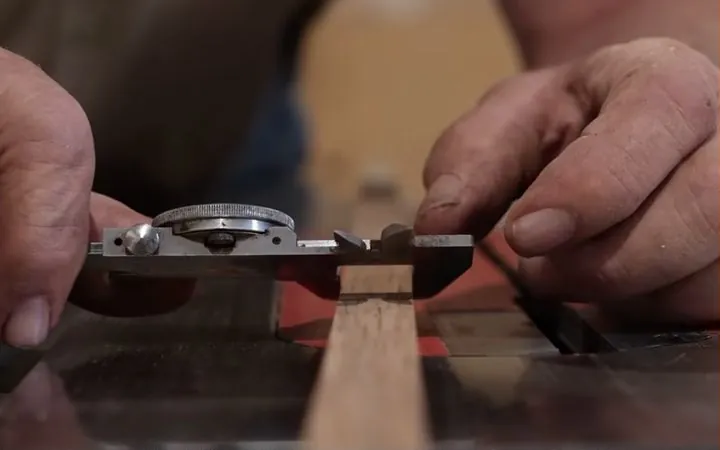
A veteran contractor and blacksmith who started filming shop lessons with his son. The channel exists to pass on knowledge that only comes from experience.
youtube.com ↗YOUR FIRST THING
FILMING AND TEACHING TIPS
FIND YOUR THING
Answer six quick questions and the free Know + Tell Business Builder suggests your best first thing, who it’s for and which tools to use. Your first answer is already filled in.
TOOLS FOR YOUR FIRST STEP
Know + Tell is free. Some tool links pay us a commission; here’s how we choose.
QUESTIONS PEOPLE ASK
No. Many popular teachers work in small shops or garages. Clear footage of the work matters far more than the size of the space.
Teach what you know best. Hand-tool teaching has a loyal audience, and power-tool projects draw beginners. Either works if the lessons are clear.
A single, useful technique, like cutting a dovetail or sharpening a chisel, filmed start to finish. Short and specific beats long and general.
Usually from several sources at once: plans, courses, memberships, classes, sponsors and affiliate links to tools they use.
No. A recent phone, a tripod, a clip-on microphone and good side light are enough to start.
KEEP GOING