Chef Jean-Pierre
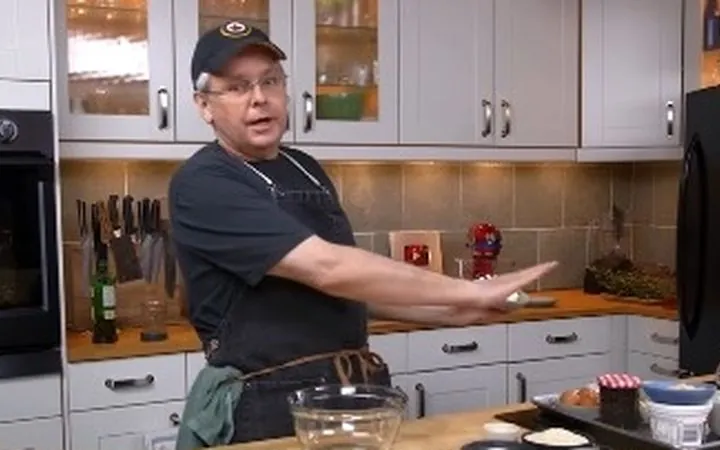
Ran a Fort Lauderdale restaurant for two decades, then a cooking school. Relaunched his YouTube channel in 2020, in his late sixties, with recipes and a store of his own tools.
Read the profile →TEACH COOKING AND BAKING
Viewers trust experience. Some of the best-loved cooking and baking teachers online started later in life, in their own kitchens.
THE SHORT ANSWER
To teach cooking or baking, start with the dish or bake people already ask you for. Film it in your own kitchen while you talk, start a weekly recipe newsletter, and teach one class locally or online. Add a cookbook, a membership or paid classes as your audience grows.
| Format | What it looks like | Why it works |
|---|---|---|
| Free recipe videos | Filmed in your own kitchen | Builds the audience; ad income over time |
| Recipe newsletter | One recipe and one story a week | Paid tiers or sponsors |
| Live cooking or baking classes | Online or at a kitchen store | Paid teaching and community |
| Cookbook or recipe collection | Print or digital | Book sales |
| Membership | Monthly recipes and live cook-alongs | Steady monthly income |
| Workshops | Bread, fermentation, holiday baking | High value seasonal events |
Our complete guide, From Know to Tell, walks through ten steps from “I might know something” to a small business. Here’s what each step looks like for cooking and baking. Tap a step to read the full version.
| Step | For cooking and baking |
|---|---|
| 01 · Notice what you know | The dishes people request at every gathering are your curriculum. |
| 02 · Pick one thing | Narrow it: regional Italian, sourdough, heritage recipes, baking for diabetics. |
| 03 · Find your people | Home cooks gather in recipe groups, cooking classes and kitchen shops. |
| 04 · Choose how you’ll tell it | Cooking suits video and live classes; baking also suits detailed written recipes. |
| 05 · Make your first small thing | Film one dish, start to finish, talking as you cook. |
| 06 · Set up only the tools you need | A video tool, a recipe newsletter, and a storefront for classes or a cookbook. |
| 07 · Share it and listen | Share with friends who’ve tasted your cooking and ask what they’d want to learn. |
| 08 · Decide how it earns | Free videos and recipes, then classes, a membership or a cookbook. |
| 09 · Make it a real business | Selling food itself has its own rules; teaching usually doesn’t. See below. |
| 10 · Keep going | Post on a steady rhythm, like a recipe a week, and follow the seasons. |
Teaching recipes is different from selling food. If you plan to sell baked goods or preserves, look up your state’s cottage food rules first.
Recipes themselves are hard to protect, but cookbook text and photos are someone’s work: write your own and credit inspirations.
For in-person classes, ask the venue about food handling, allergies and insurance.
This is general information, not legal or professional advice. Check the rules where you live.

Ran a Fort Lauderdale restaurant for two decades, then a cooking school. Relaunched his YouTube channel in 2020, in his late sixties, with recipes and a store of his own tools.
Read the profile →
Cooks recipes from old community cookbooks and food history, with unhurried, curious commentary from a kitchen in Toronto.
Read the profile →
Left a career in international development to film Italian grandmothers making pasta by hand. The channel became award-winning cookbooks and a podcast.
Read the profile →
A couple with complementary backgrounds built an online membership teaching authentic Italian regional cooking. It goes beyond recipes to explain techniques, ingredients and the traditions behind the food.
Read the profile →
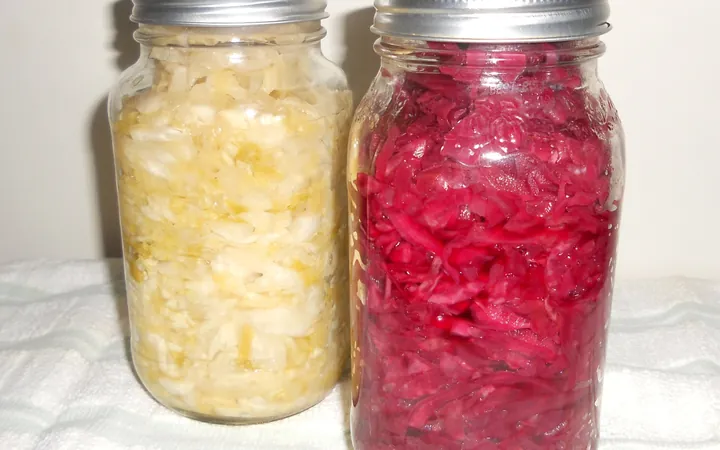
A longtime fermentation enthusiast turned his knowledge of sauerkraut, kimchi, kombucha and other fermented foods into classes, online courses, workshops, a book and community events.
Read the profile →
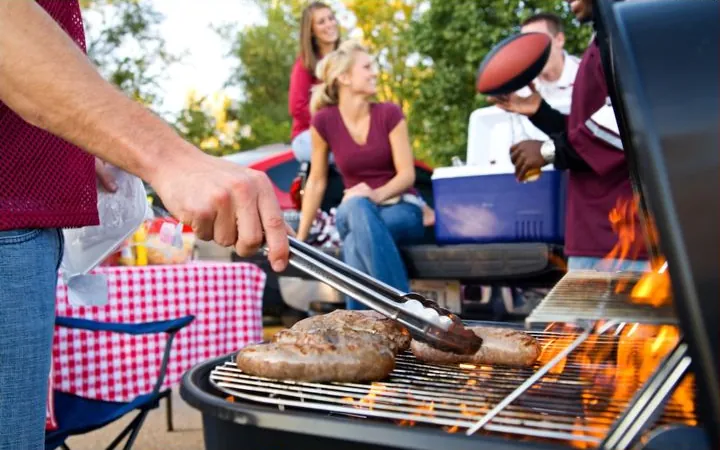
Science-backed barbecue and grilling, built from a website into a paid Pitmaster Club and a bestselling book.
Read the profile →Know + Tell is free. Some tool links pay us a commission; here’s how we choose.
I’m a home [cook / baker] with [years] of experience, known for [dishes]. Help me plan a 6-recipe video series for [who]: an order that builds skills, a one-line hook for each episode, the key technique each recipe teaches, and a weekly recipe-newsletter format to go with it.
Paste the prompt into Claude and fill in the [brackets] with your own details.QUESTIONS PEOPLE ASK
No. Experience is part of the appeal, and several of the most-watched home cooking channels are hosted by people in their sixties and seventies.
Teaching usually doesn’t need one, but selling food does have rules. For in-person classes, ask the venue about food handling and insurance.
Usually from a mix of video income, sponsors, classes, memberships, cookbooks and links to tools and ingredients.
The dish your family or friends always ask you for. It’s the one you know best and tell the best stories about.
Baking needs more precision, so pair videos with detailed written recipes, weights and troubleshooting tips.
KEEP GOING