Know + TellFind your thing →

EMAIL AND NEWSLETTERS

Email and newsletters.An audience that’s yours

Social media decides who sees your posts. Email doesn’t. A newsletter is the simplest way to build an audience nobody can take away.

What it doesWho it’s forOur favorites

THE SHORT ANSWER

Newsletter tools let people sign up to hear from you, then help you write, design and send emails to everyone on your list. Most have free plans, ready-made sign-up pages and, when you’re ready, paid subscriptions so readers can support your work. For most people sharing what they know, a newsletter is the best first tool.

What it does

A newsletter tool gives you a sign-up page or form, stores your list of subscribers, and lets you write and send emails that look good on any phone. It also shows you who opens and clicks, so you learn what your readers care about.

As you grow, these tools can welcome new subscribers automatically, send different emails to different interests, offer paid subscriptions, and help readers recommend you to friends.

Collect sign-upsA page or form anyone can join from.
Send beautiful emailsWrite once, look good on every screen.
Welcome automaticallyA series that greets every new reader.
Earn from readersPaid tiers, sponsors and product sales.

Who it’s best for

Start here if you’re

  • Writers who like to explain things in words
  • Anyone who wants to own their audience
  • People who plan to sell a workshop, guide or course later
  • Anyone who isn’t ready for video

Our favorites

Our pick

beehiiv

Built for growing a newsletter.

Easy to start free, with a clean writing editor, a simple website for your newsletter, and built-in ways to grow, like reader referrals and recommendations. Paid subscriptions and sponsorship tools are there when you’re ready.

Best for

A newsletter you want to grow and eventually earn from

Explore on their site
  • Their newsletter examples and showcase pages
  • The referral program tools
  • Paid subscription and website features
Visit beehiiv ↗
If you want automation

Kit

Email for creators who sell things.

Black Friday: 60% off your first 3 months, only through our link (Nov 18 to Dec 1). See the deal →

Formerly ConvertKit. Especially strong at automations: welcome sequences, tagging readers by interest, and sending the right email after someone buys. It can also sell digital products directly.

Best for

People who’ll sell guides, courses or coaching to their list

Explore on their site
  • The visual automation builder
  • Creator stories and case studies
  • Selling digital products from your list
Visit Kit ↗
If you only want to write

Substack

The simplest way to just write.

Write, publish and build a following in one place, with its own reader app and network that helps new readers find you. It’s free to start; Substack takes a share of paid subscriptions.

Best for

Writers who want to focus purely on writing

Explore on their site
  • Its reader app and recommendations
  • Notes, its short-form feed
  • How paid subscriptions work
Visit Substack ↗

Know + Tell is free. Some tool links pay us a commission; here’s how we choose.

What to explore on their sites

Before you sign up, spend twenty minutes exploring. Most of these companies show what’s possible better than any description can:

Customer stories and examples. Look for real people using the tool for something like your idea. They show what’s possible and give you ideas to borrow.

Templates and showcases. Ready-made layouts tell you quickly whether a tool fits the way you want to teach.

Free plans and trials. Most let you try before you pay. Set up one small thing, not everything.

Help centers and tutorials. Beginner guides show how hard (or easy) day-to-day use really is.

See how people use them

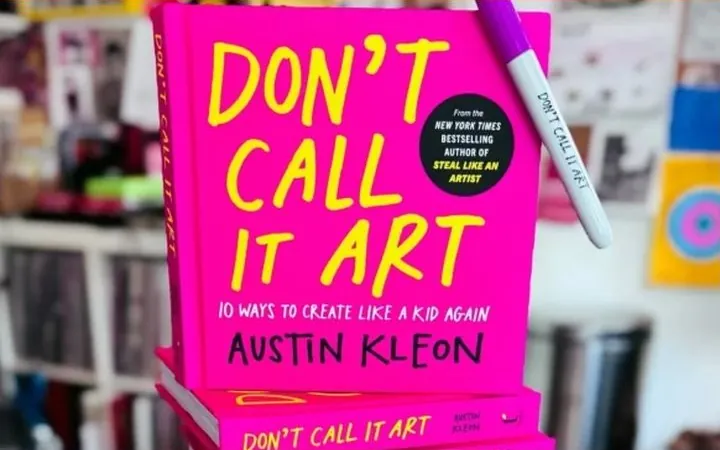
See how a weekly email can anchor a whole body of work, and how insider knowledge becomes a paid newsletter. Browse the Library for more.

A stack of Austin Kleon’s book Don’t Call It Art
Creativity · Newsletter

Austin Kleon

Austin Kleon

A weekly email of ten things he found interesting, alongside a blog and small books about creative work.

Read the profile →
Stacks of books on a table by a harbor at night
Publishing · Newsletter & classes

Jane Friedman

Jane Friedman

Decades inside the publishing industry, turned into a paid newsletter for authors, online classes and consulting.

Read the profile →
A bowl of treats held out to backyard hens
Backyard chickens · Blog & books

Fresh Eggs Daily

Lisa Steele

Practical, natural advice for backyard flocks, grown from a blog into books and a long-running show.

Read the profile →

Try this week

Small steps

  • Sign up for two newsletters in your field and notice what you like
  • Start a free newsletter and write a one-paragraph welcome email
  • Send your first issue to ten people who’ve asked about your topic

Ask Claude

I’m starting a newsletter about [your topic] for [who]. Suggest a name, a one-line promise for the sign-up page, a three-email welcome sequence, and ideas for my first four issues.

Open Claude ↗
Paste the prompt into Claude and fill in the [brackets] with your own details.

QUESTIONS PEOPLE ASK

Questions people ask.

beehiiv or Kit or Substack?

beehiiv if you want to grow and earn from the newsletter itself; Kit if you’ll sell products and want automation; Substack if you just want to write. All three are free to start.

How many subscribers do I need?

None to start. A newsletter with 100 engaged readers can fill a workshop or sell a guide.

How often should I send?

Weekly is a good rhythm for most people. Consistency matters more than frequency.

Can I switch tools later?

Yes. You can export your subscriber list and move it, so starting with one doesn’t lock you in.

KEEP GOING

Related guides.

So what are you waiting for?

Start here →