Know + TellFind your thing →

TEACH QUILTING AND SEWING

Teach quilting and sewing.Patterns, tutorials, sew-alongs and classes, built on decades at the machine

Quilters and sewists are some of the most generous learners online, and some of the most loyal buyers. Here’s how to share what you know with them.

Built on From Know to Tell5 Library examplesAI prompt included

THE SHORT ANSWER

To teach quilting or sewing online, start with one technique or one pattern you know well. Film short tutorials from overhead, write up a tested pattern to sell as a download, and run a sew-along or local class to build community. Add kits, a membership or courses as your audience grows.

What people pay for in quilting and sewing

FormatWhat it looks likeWhy it works
PatternsTested PDF patterns with cutting charts and diagramsThe classic first product, and it sells for years
Technique tutorialsShort videos on one skill, like binding or curved piecingBuilds trust and brings buyers to your patterns
Sew-alongs and mystery quiltsA pattern released in clues over weeksCreates community and repeat buyers
KitsPattern plus fabric or notionsHigher value per sale
ClassesLocal shops, guilds, libraries or onlinePaid teaching and new students
MembershipMonthly patterns, lessons and live sewingSteady monthly income

The journey, step by step

Our complete guide, From Know to Tell, walks through ten steps from “I might know something” to a small business. Here’s what each step looks like for quilting and sewing. Tap a step to read the full version.

StepFor quilting and sewing
01 · Notice what you knowCount the techniques people ask you about at guild or in the shop. Those are lessons.
02 · Pick one thingPick one lane: modern quilting, vintage garment sewing, hand piecing, quilting for beginners. Specific beats general.
03 · Find your peopleQuilters gather in guilds, shops, Facebook groups and Instagram hashtags. Start there.
04 · Choose how you’ll tell itHands-on crafts suit video plus written patterns. Live classes work beautifully for sewing.
05 · Make your first small thingWrite up one pattern you’ve already made and have two people test it, or film one technique.
06 · Set up only the tools you needA storefront for patterns, a video tool, and a community or newsletter for sew-alongs.
07 · Share it and listenShare in your guild and groups. Ask testers and first buyers what was unclear.
08 · Decide how it earnsFree tutorials, paid patterns, then kits, classes or a membership.
09 · Make it a real businessCheck pattern and fabric design rules (below), and keep business money separate.
10 · Keep goingRelease on a rhythm, like a pattern a season or a monthly sew-along.

Filming and teaching tips for sewing

Tips

  • Mount your phone overhead and use daylight or two soft lamps so colors look true.
  • Film the machine needle up close for tricky moves, and slow it down in editing.
  • Show fabric choices: viewers love seeing how prints and colors work together.
  • Have at least two testers make every pattern before you sell it, in more than one size if it applies.

Watch-outs for quilters and sewists

Sell your own original patterns. If a design is closely based on someone else’s pattern, ask permission first.

Fabric prints are designed by someone too: check a fabric line’s terms before selling finished items or kits that feature it.

Credit traditional block names and designers when you teach them, and be clear about what’s yours.

This is general information, not legal or professional advice. Check the rules where you live.

People who did it

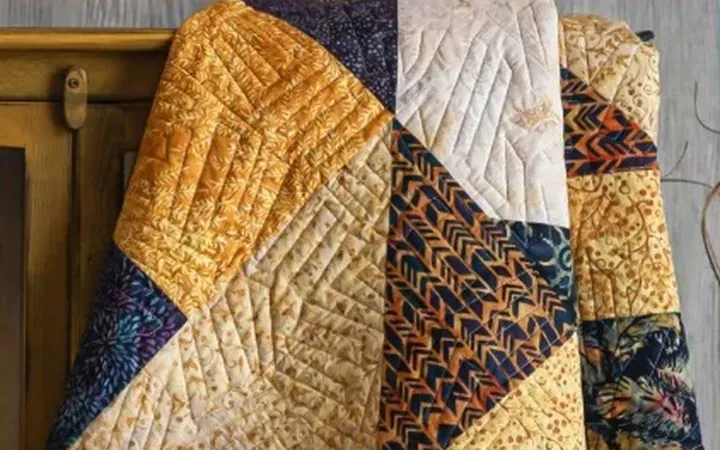
A finished patchwork quilt draped over a chair
Quilting · Tutorials into a company

Missouri Star Quilt Co.

Jenny Doan

Started a quilt shop for retirement money during the recession. Her son suggested YouTube tutorials; they turned a small Missouri town into a quilting destination.

Read the profile →
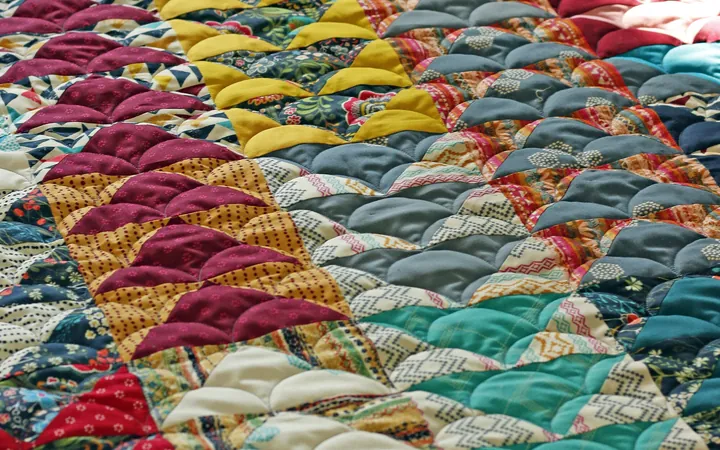
Close-up of a colorful quilt with curved, scalloped piecing
Quilting · Classes & patterns

Timeless Quilt Studio

Krista Russell

Krista Russell helps quilters build practical skills, create meaningful projects, and finish quilts they are proud to use, gift, and remember.

Read the profile →
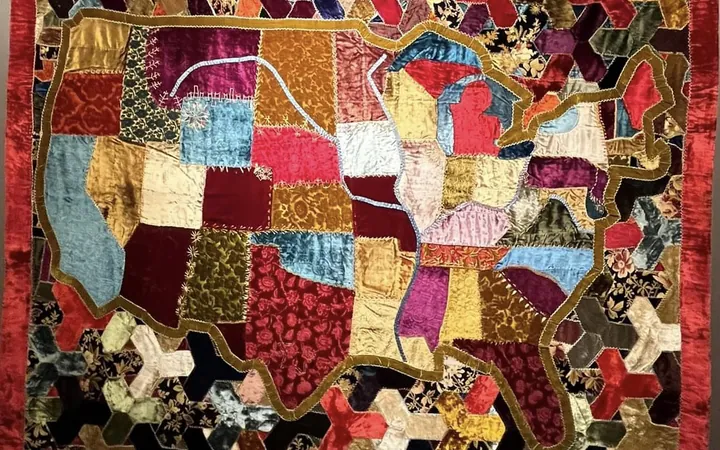
A velvet patchwork quilt shaped like a map of the United States
Quilting · Travel-themed program

Wanderlust Quilt Society

Lynn Christiansen

A former school librarian and quilt-pattern designer launched a travel-themed quilting program with just 11 students. She developed it with her first members, then began turning the material into self-guided programs.

Read the profile →
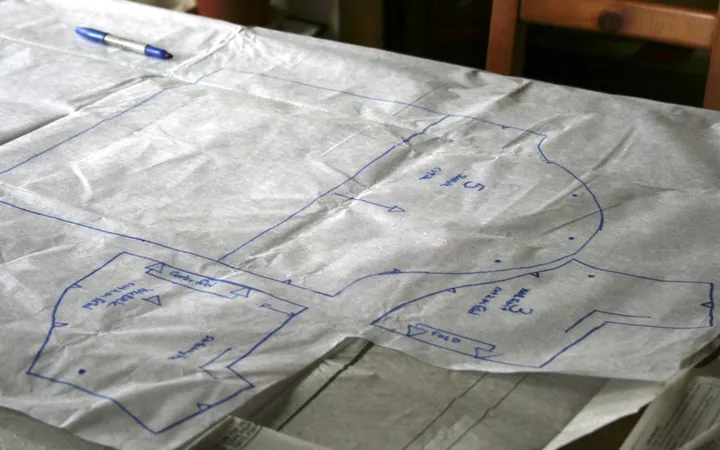
Hand-drawn sewing pattern pieces on tracing paper
Quilting · YouTube, patterns & tools

Carolina Moore

Carolina Moore

A quilter, pattern designer and inventor who uses video to teach techniques and connect with other makers. YouTube introduces her work to people who then explore her patterns, tools and classes.

Read the profile →
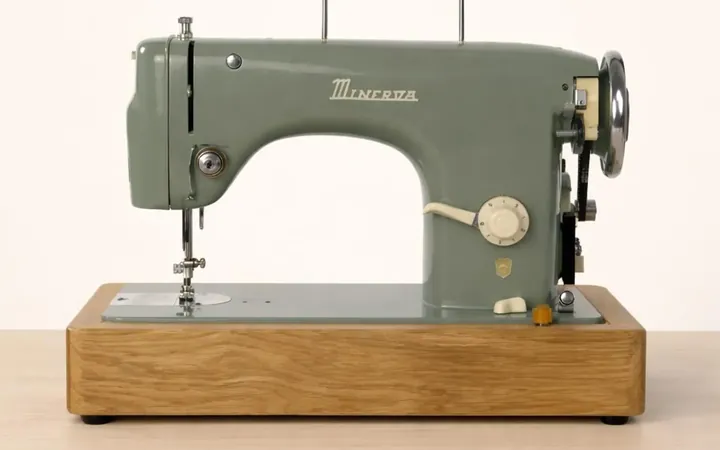
A vintage green sewing machine on a wooden base
Vintage sewing · YouTube & membership

Vintage Fashion House

Evelyn Wood

Evelyn teaches people how to sew high-quality garments using vintage techniques. She combines free YouTube instruction with a paid membership, lessons and a community of learners, including older adults who want to improve their skills.

Read the profile →

Tools for your first step

Know + Tell is free. Some tool links pay us a commission; here’s how we choose.

Ask Claude

I’m a [quilter / sewist] with [years] of experience, especially in [your specialty]. Help me plan my first pattern to sell: suggest three original pattern ideas for [skill level], an outline for the written pattern (materials, cutting chart, steps, diagrams I’ll need), and a plan for recruiting two pattern testers.

Open Claude ↗
Paste the prompt into Claude and fill in the [brackets] with your own details.

QUESTIONS PEOPLE ASK

Questions people ask.

How do I price a quilt or sewing pattern?

Look at comparable patterns in your niche, then consider complexity, sizes included and support. Many designers start modestly and raise prices as their reputation grows.

Do I need a test sewist?

Yes. Testers catch errors in measurements, cutting charts and instructions before buyers do, and they often become your first fans.

Where can I teach quilting classes locally?

Quilt shops, guilds, libraries, community centers and continuing education programs often welcome experienced teachers. Ask how instructors are paid.

Can I sell quilts made with designer fabric?

Often yes, but some fabric designers have rules about commercial use. Check the fabric line’s terms before selling finished items or kits.

Should I teach in person or online?

Both work well. In-person classes build local community and confidence; online tutorials and patterns reach far more people. Many teachers do both.

KEEP GOING

Related guides.

So what are you waiting for?

Find your thing →