
Building & trades · YouTube
Essential Craftsman
Scott Wadsworth
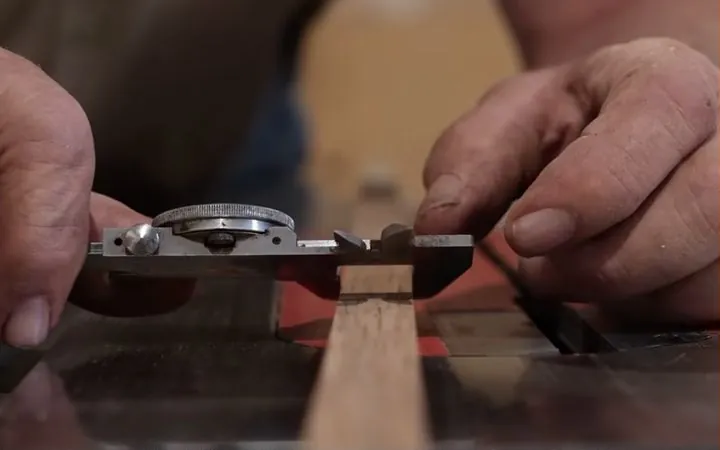
A veteran general contractor and blacksmith who started filming shop lessons with his son. The channel exists to show the knowledge that only comes from experience.
Read the profile →TEACH HOME REPAIR
Every day, people search for how to fix something. The best answers come from people who’ve done it a thousand times.
THE SHORT ANSWER
To teach home repair or a trade online, film real repairs one task at a time, explaining the why as well as the how. Start with the problems people search for most, add homeowner workshops or a beginner course, and always cover safety, permits and when to call a licensed professional.
| Format | What it looks like | Why it works |
|---|---|---|
| How-to videos | One repair, start to finish | Huge search demand; builds the audience |
| Homeowner workshops | Hands-on or online, like “basic plumbing for homeowners” | Paid teaching and local reputation |
| Beginner courses | A structured skills path | Sells for years |
| Exam prep and training | For apprentices and trade students | Professional audience that pays for results |
| Consulting and diagnosis calls | Video calls to troubleshoot a problem | High value per hour |
| Tool and gear recommendations | Honest reviews | Affiliate income, disclosed |
Our complete guide, From Know to Tell, walks through ten steps from “I might know something” to a small business. Here’s what each step looks like for home repair and the trades. Tap a step to read the full version.
| Step | For home repair and the trades |
|---|---|
| 01 · Notice what you know | List the repairs neighbors call you about. Each one is a video. |
| 02 · Pick one thing | Narrow it: homeowner basics, old-house repair, appliance fixes, apprentices preparing for exams. |
| 03 · Find your people | Your people search YouTube, hardware-store classes and homeowner forums. |
| 04 · Choose how you’ll tell it | Video is the natural format; workshops add trust and income. |
| 05 · Make your first small thing | Film one common repair, start to finish, in under ten minutes. |
| 06 · Set up only the tools you need | A video tool, YouTube, and a storefront or course platform when you’re ready. |
| 07 · Share it and listen | Share with neighbors and community groups, and answer every question. |
| 08 · Decide how it earns | Free videos, then workshops, courses or paid diagnosis calls. |
| 09 · Make it a real business | Safety and licensing matter here; see the watch-outs below. |
| 10 · Keep going | Seasonal topics (winterizing, spring checklists) keep people coming back. |
Some work, especially electrical, gas and structural, legally requires a licensed professional or a permit in many places. Say so clearly when it applies.
Codes vary by location; tell viewers to check local requirements.
Add a simple safety disclaimer, and consider liability insurance if you teach in person or consult.
This is general information, not legal or professional advice. Check the rules where you live.
A veteran general contractor and blacksmith who started filming shop lessons with his son. The channel exists to show the knowledge that only comes from experience.
Read the profile →
His father left when he was 14, so he started filming the basics a dad would teach, like tying a tie or changing a tire. The channel drew millions of subscribers and became a book.
Read the profile →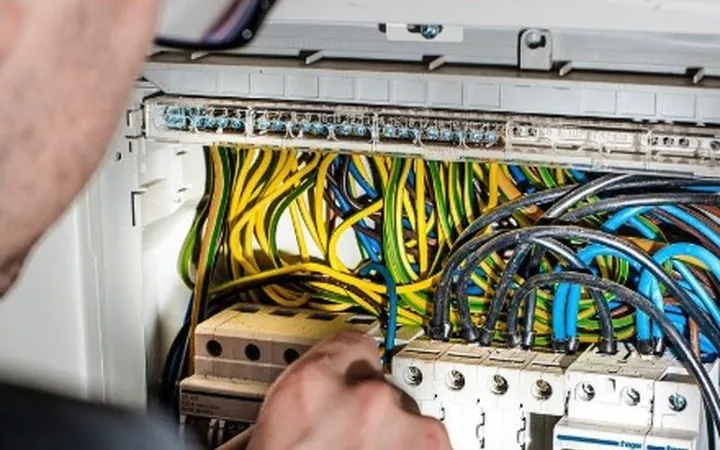
An electrician who became the go-to teacher of the electrical code, with books, videos and exam prep for the trade.
Read the profile →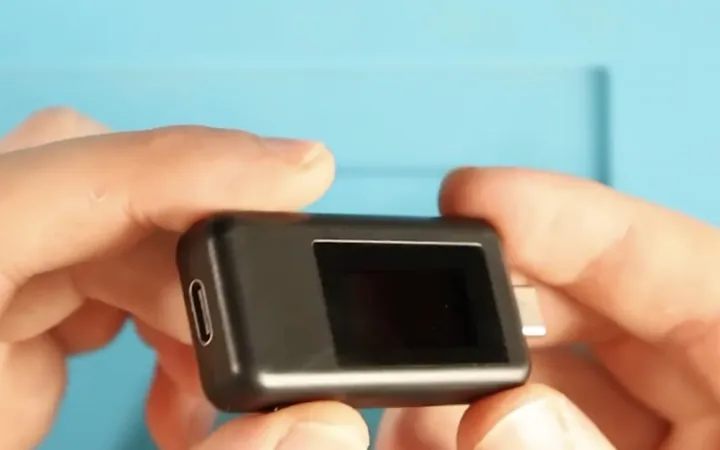
A repair enthusiast who teaches people to diagnose and fix electronics, with practical courses, group troubleshooting and a paid learning community. People pay not just for information, but for help with their own projects.
Read the profile →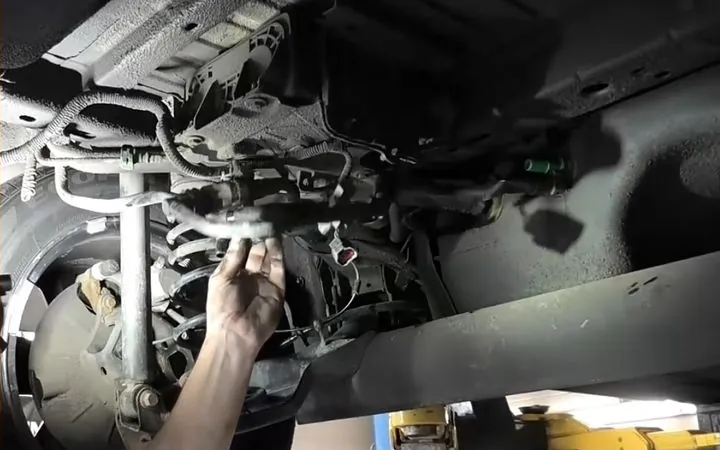
A small-town shop owner in upstate New York who films real diagnostics on real customer cars, supported by channel memberships.
Read the profile →Know + Tell is free. Some tool links pay us a commission; here’s how we choose.
I’ve worked as a [trade or role] for [years]. Help me plan 10 short how-to videos for [homeowners / apprentices]: the repairs people search for most in my area of expertise, the safety steps to show in each, where to tell viewers to call a licensed professional, and a one-line title for each video that matches what people search.
Paste the prompt into Claude and fill in the [brackets] with your own details.QUESTIONS PEOPLE ASK
Teaching general skills usually doesn’t require a license, but be clear about work that legally requires a licensed professional or permit where your viewers live.
For in-person workshops or paid consulting, liability insurance is wise. Ask an insurance agent about teaching.
Through video income, sponsors, workshops, courses, exam prep, paid consultations and tool affiliate links.
The repair people ask you about most, filmed start to finish, with the safety steps shown.
No. Real job sites and real houses are part of the appeal. Good light and clear audio matter more.
KEEP GOING